04 · Civic access · Founder
Samvidhan Setu
Most students are deeply aware of politics but remain distant from the systems that shape it. Samvidhan Setu was built in that gap — between curiosity and participation.
Model
Merit-based placement
Placements
Women & Child Development Dept.
Fieldwork
Anganwadis & jan sunwais
Focus
Participation, not simulation
Samvidhan Setu began with a simple observation.
Most students are deeply aware of politics, but remain distant from the systems that actually shape it. News is consumed, opinions are formed, debates happen — but very few ever step inside the institutions where decisions are made. That gap, between curiosity and participation, is where Samvidhan Setu was built.
Making governance tangible
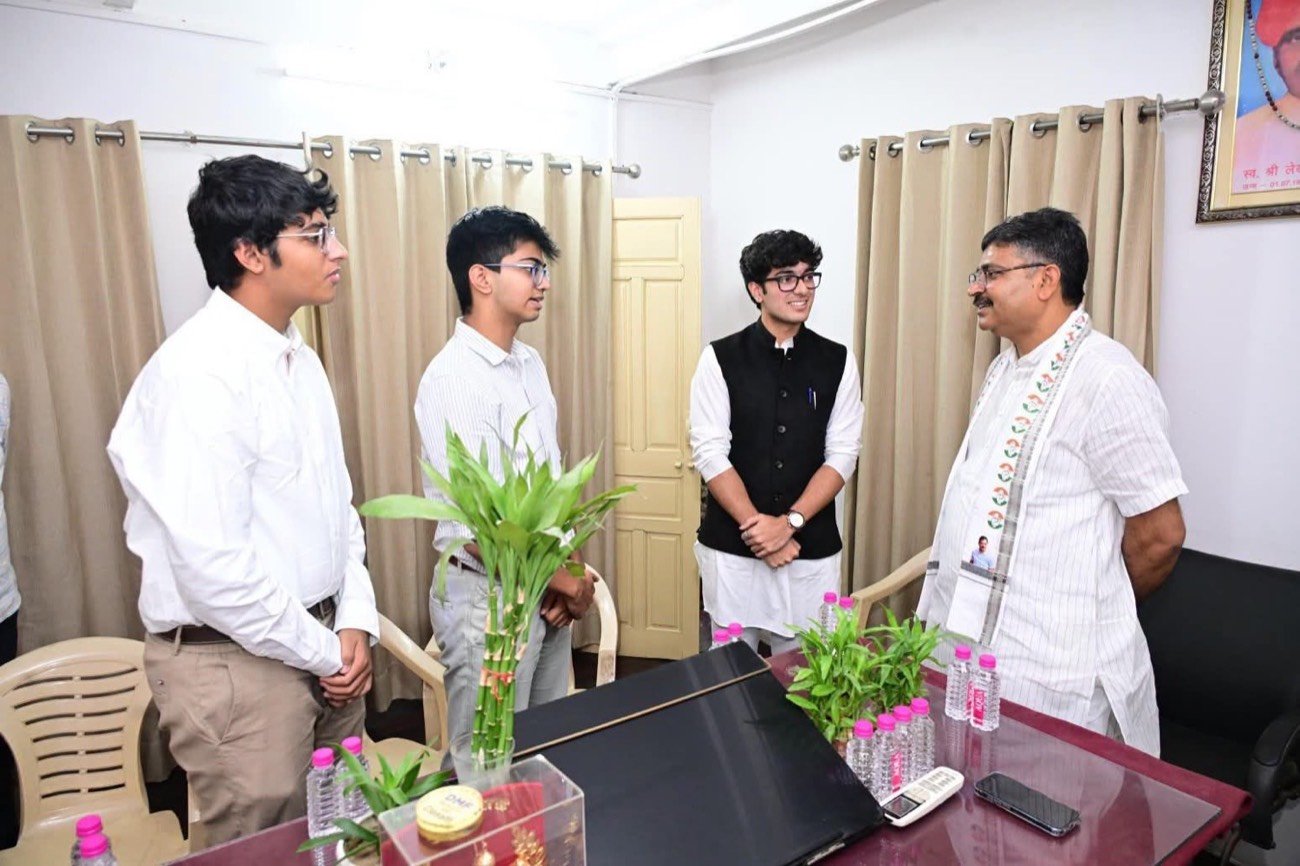
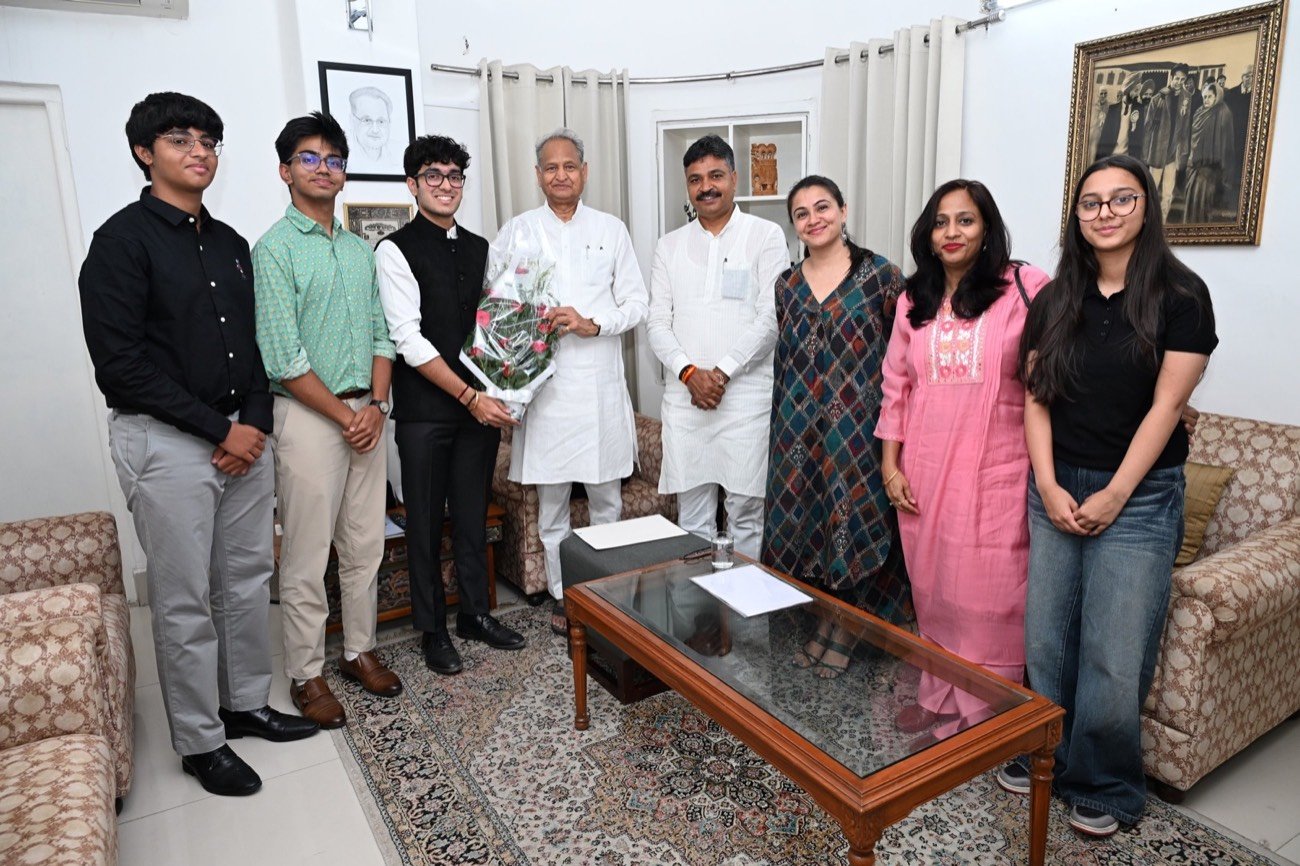
At its core, Samvidhan Setu is an attempt to make governance tangible. It connects students directly with political leaders, policymakers and public institutions — not through simulations or second-hand learning, but through real exposure. Internships, interactions and structured opportunities allow students to see how policy moves from discussion to implementation. It shifts civics from a subject in a textbook to something lived.
Access with intent
What makes Samvidhan Setu distinct is its focus on access and intent. The platform identifies driven students, filters them through a merit-based process, and places them in environments where they can contribute meaningfully. At the same time, it works closely with political offices to ensure that this engagement is not symbolic, but substantive. Students are not observers; they are participants in the ecosystem.
A bridge, true to its name — between young people who want to understand power, and the institutions that exercise it.
Over time, Samvidhan Setu has grown into more than a programme. It aims to build a generation that does not just critique governance from the outside, but understands it from within, and is prepared to shape it responsibly.
What that looks like in practice
The test of the idea is whether students end up somewhere they could not have reached on their own. So far that has meant:
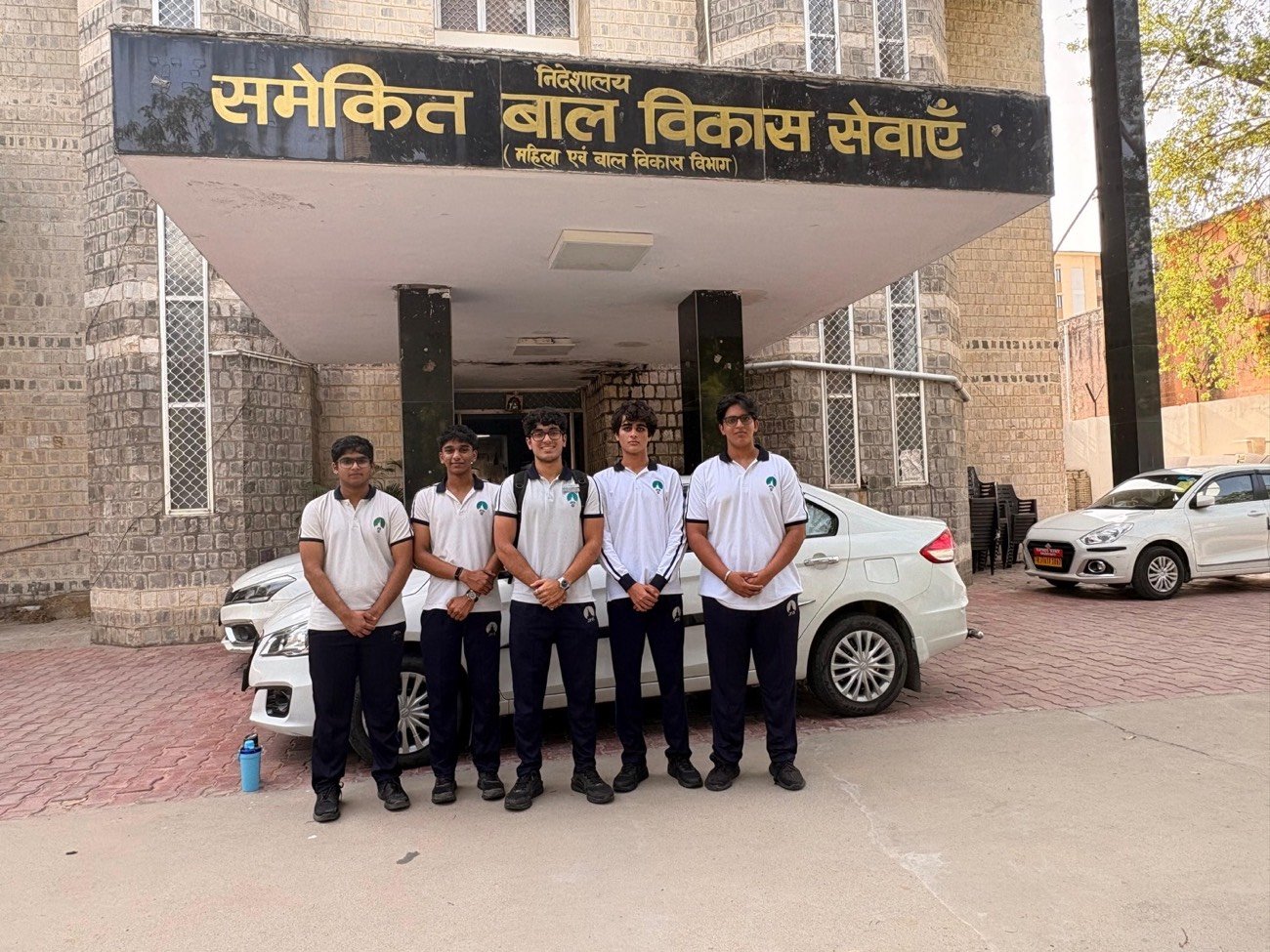
- Internships inside the Women & Child Development Department — students placed with a working state department rather than shadowing an event.
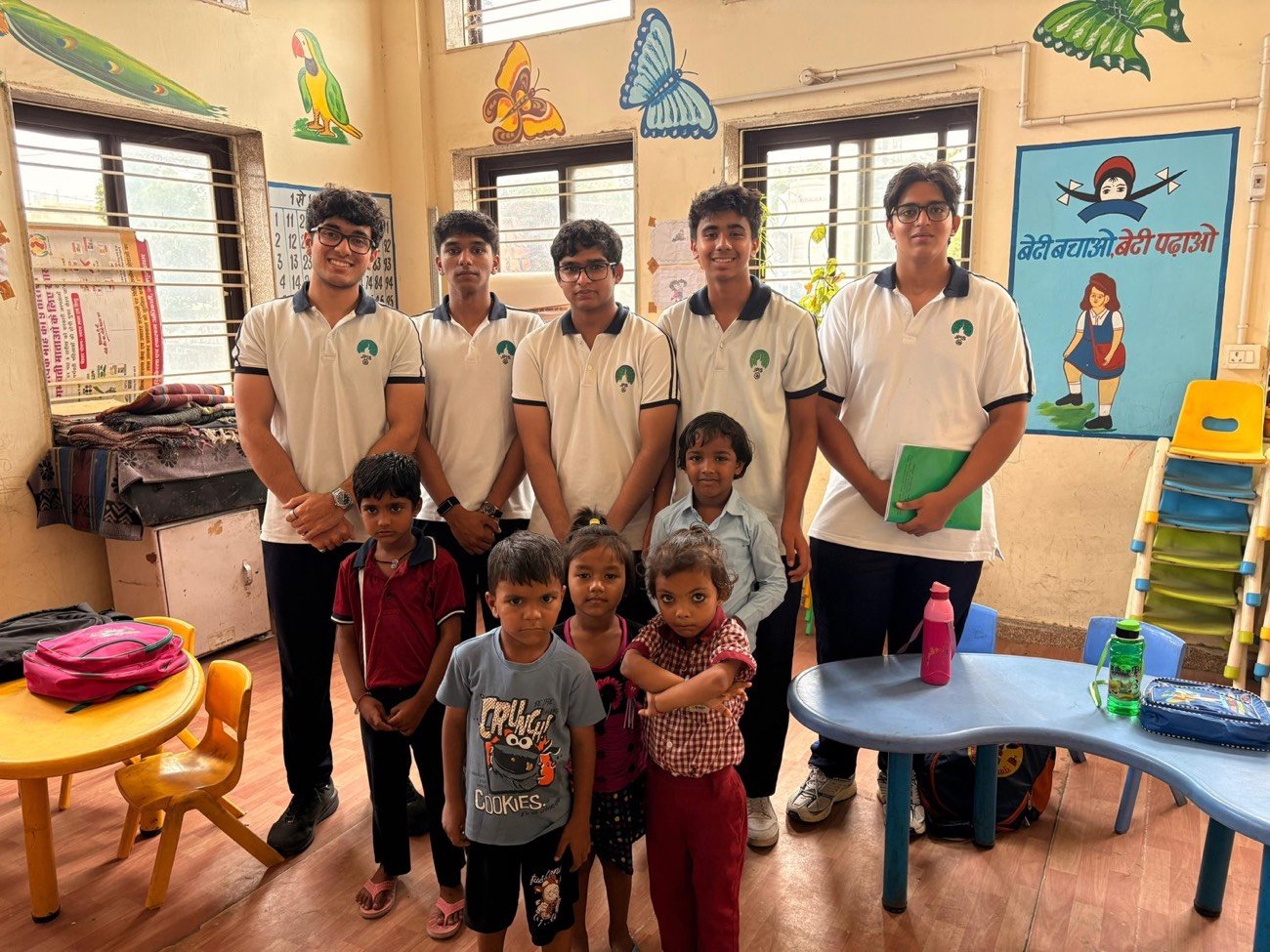
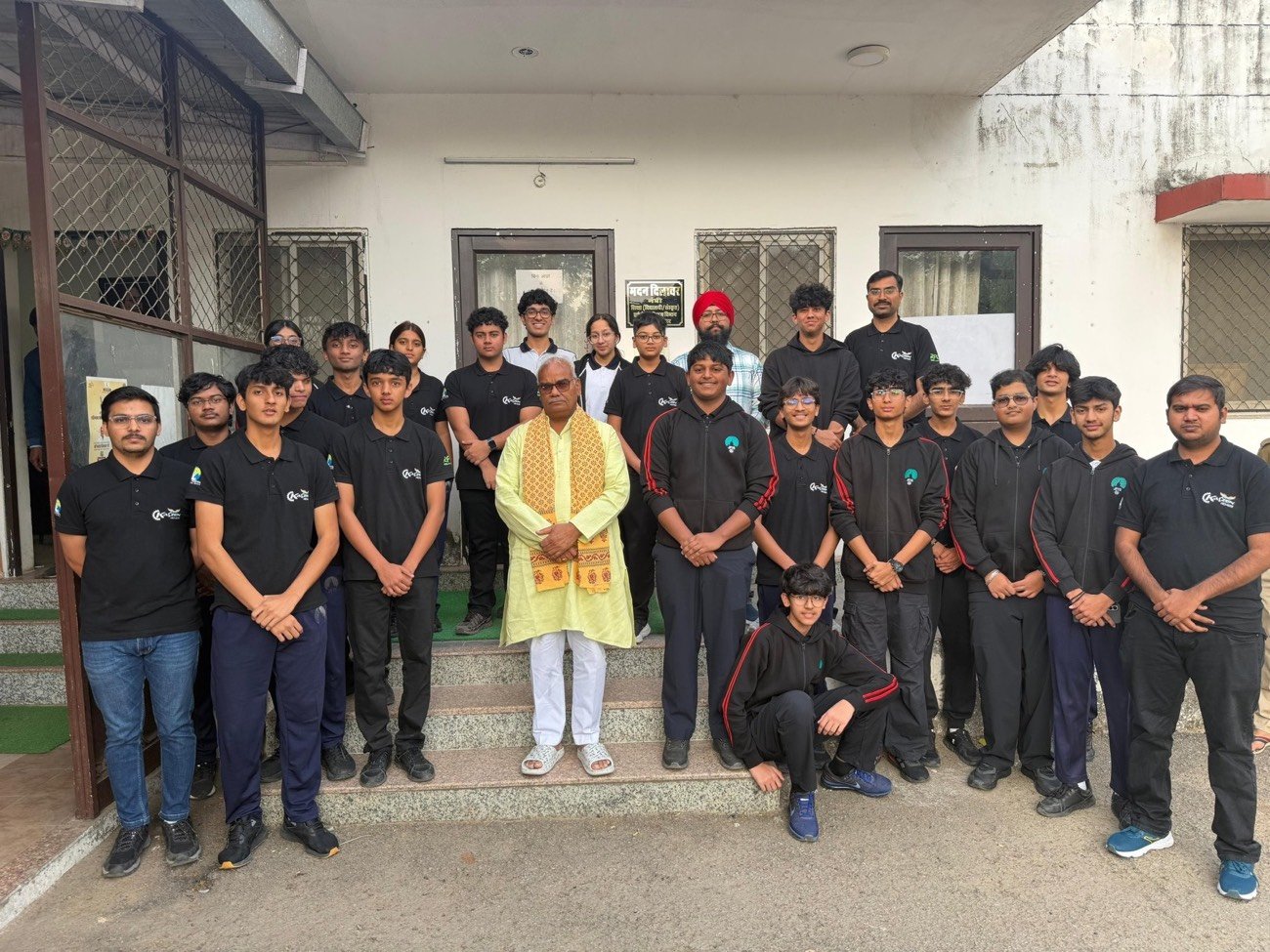
- A visit to an Anganwadi centre, observing the children's daily routine and the vaccination process firsthand, to see how the state actually reaches a village.
- A jan sunwai in Alwar with Shri Tika Ram Jully Ji, Leader of the Opposition in Rajasthan — watching citizens bring grievances directly to their representatives.
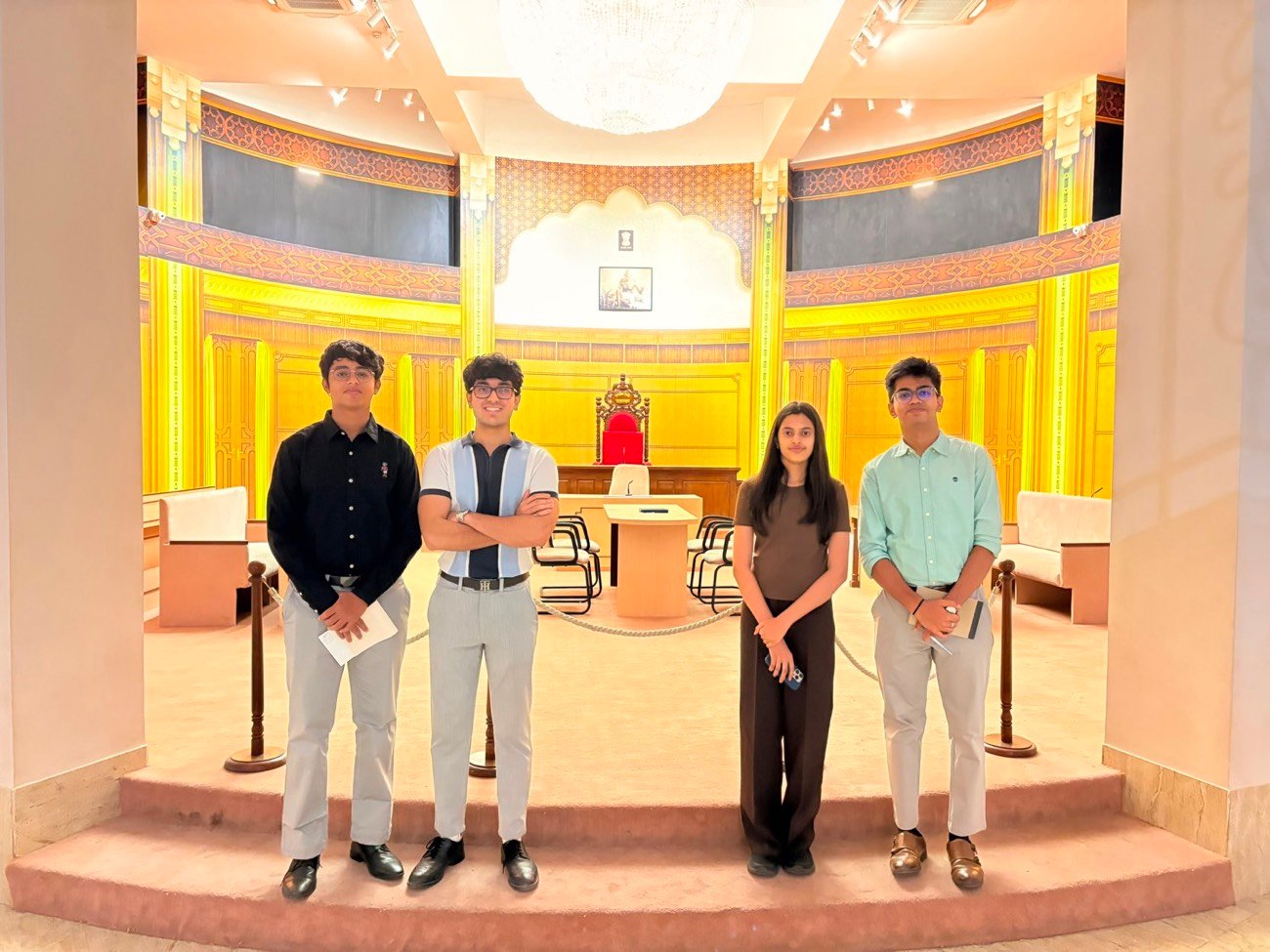
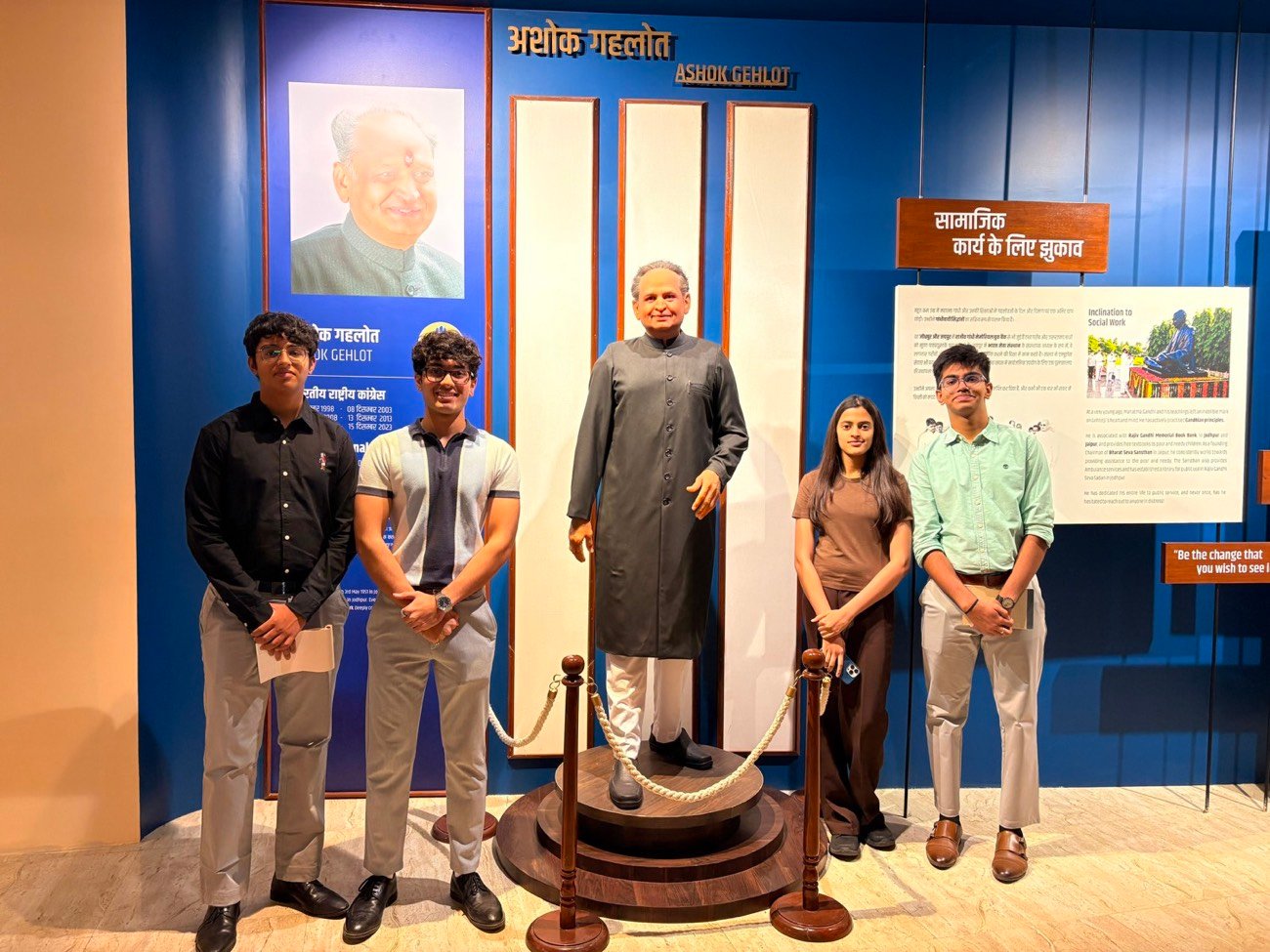
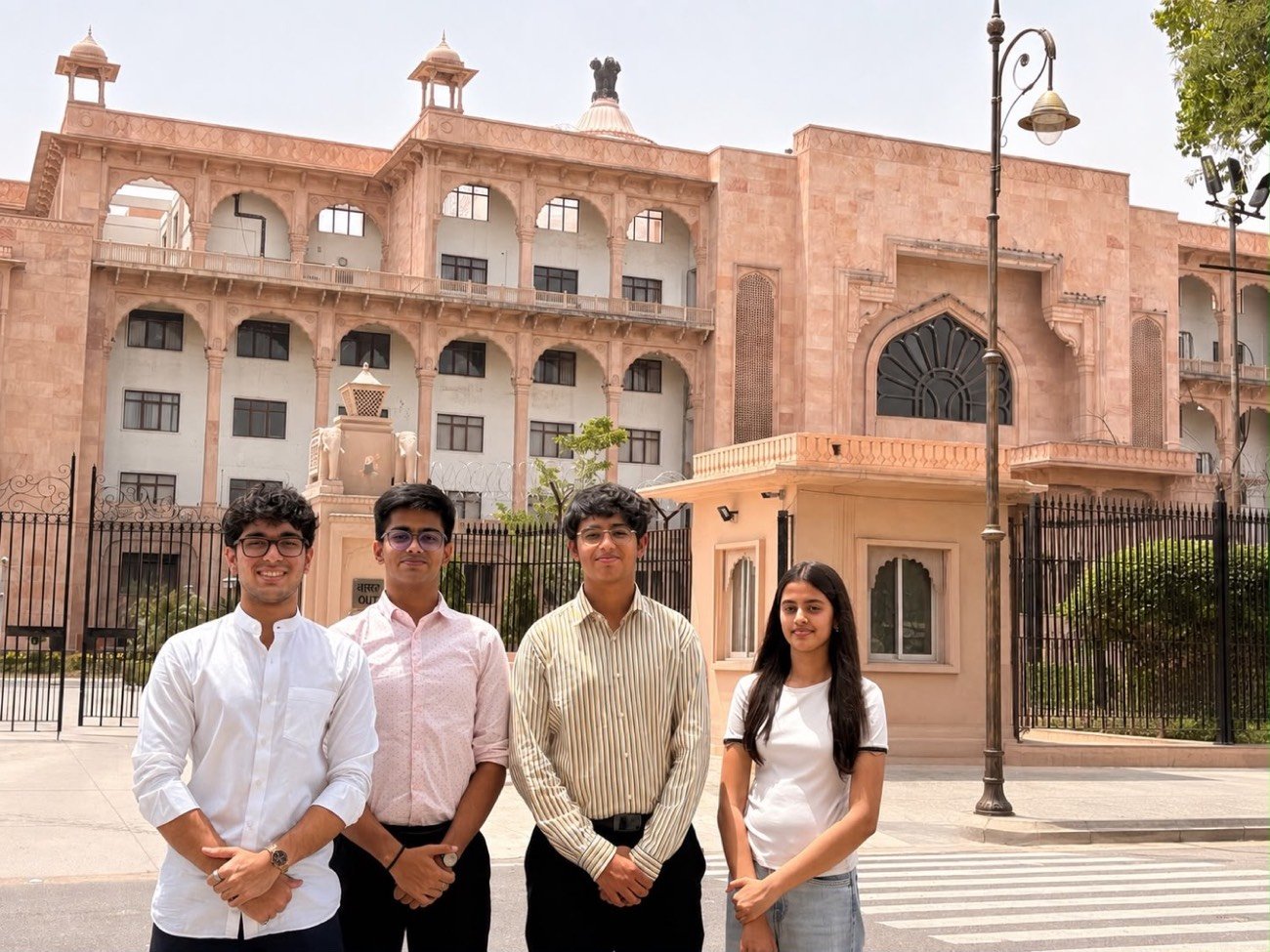
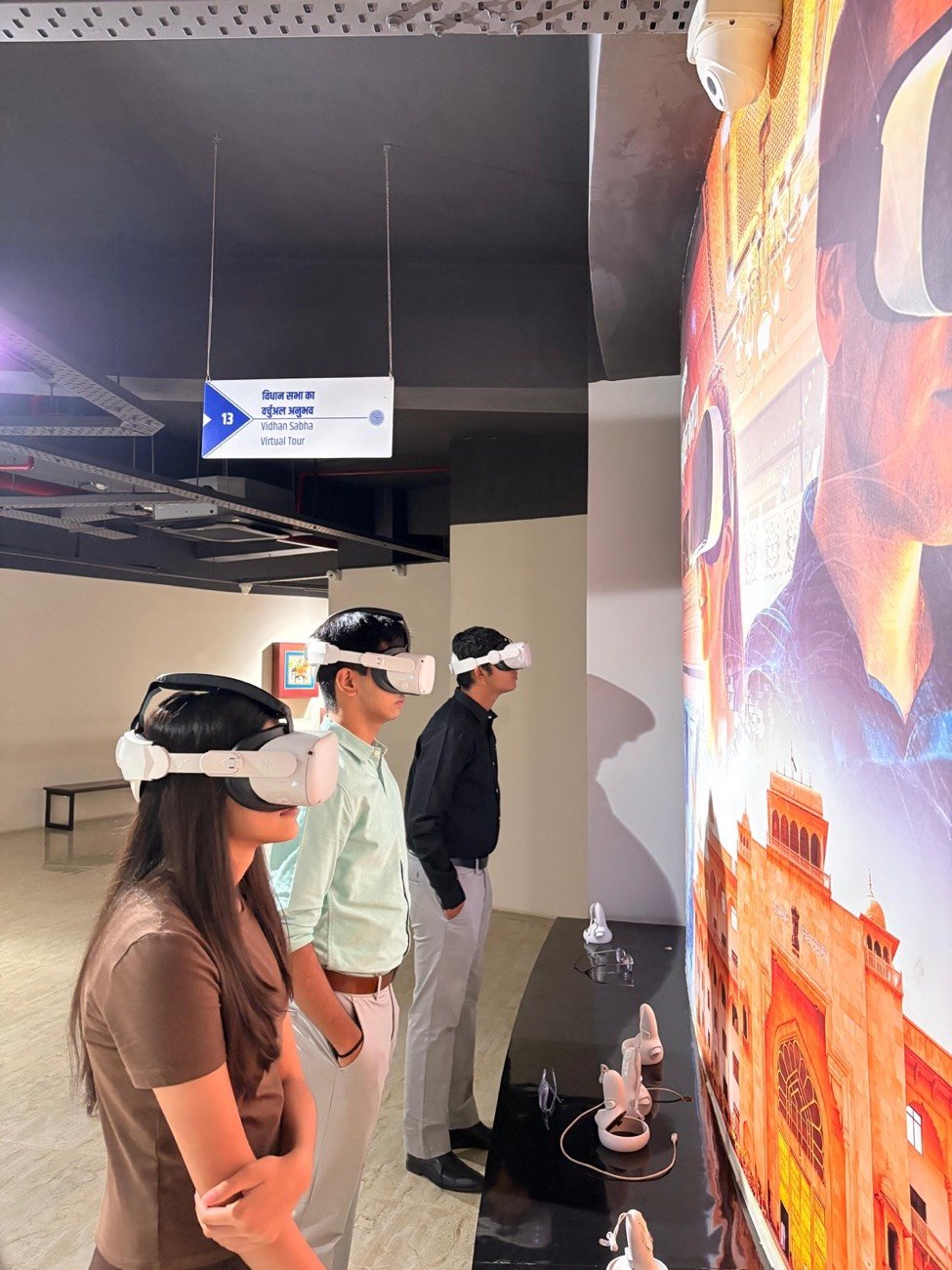
- Institutional visits to the Assembly and to public archives of Rajasthan's political history.
None of this is a simulation. That is the entire point: a student who has stood in a jan sunwai understands grievance redressal in a way no chapter can teach.
Get in touch
Working on something similar?
I'm always glad to hear from people building civic technology, running education programmes, or arguing about industrial policy.