02 · Road safety · Founder
Eco Reflect
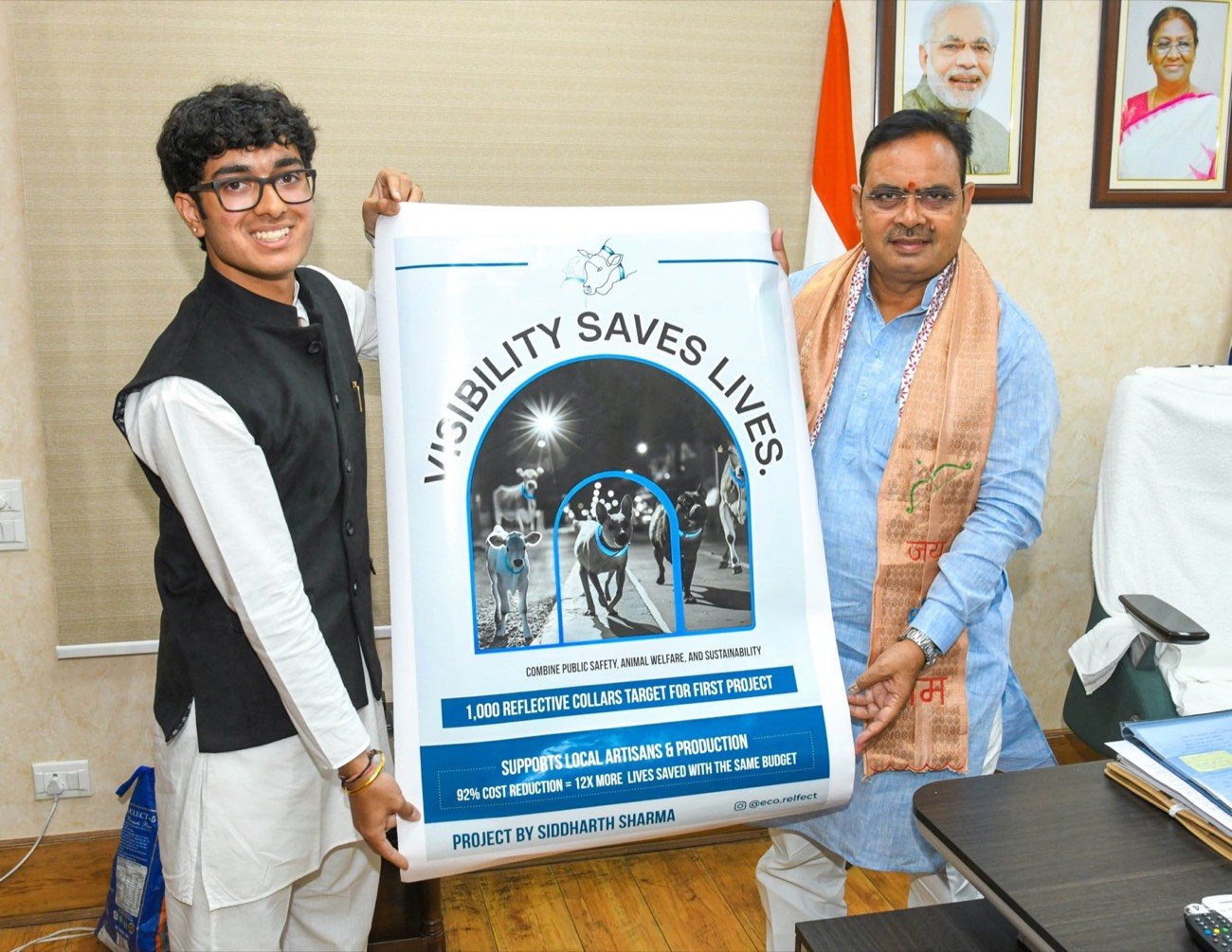
A reflective collar for stray animals, rebuilt from the ground up around a single constraint: it had to be cheap enough to deploy at scale. The redesign took the unit cost from ₹200 to ₹20 — and the Government of Rajasthan adopted it.
Unit cost
₹200 → ₹20
Deployed
1,000+ collars
Backing
Govt. of Rajasthan
Grant
IB Global Youth Action Fund
On my way to school, I kept noticing the same thing.
Stray dogs and cattle injured on the side of the road. Sometimes after an accident, sometimes not even making it through one. It wasn't rare — it was routine. And what stood out was how preventable it felt. Most of these accidents happened at night, on poorly lit roads where drivers simply couldn't see animals in time.
The existing solution didn't scale
Reflective collars already existed, but they weren't built for real conditions. They were expensive, relied on radium and plastic, and weren't designed for scale. That meant they never reached the animals that actually needed them.
That's where Eco Reflect began.
The redesign
I built a collar from the ground up with one constraint: it had to scale. I replaced radium with eco-friendly polyester reflective fabric, reduced plastic usage significantly, and brought the cost down from ₹200 to ₹20 — a 92% reduction, which means roughly twelve times more animals protected on the same budget.
But designing it was only part of the work. I spent months testing materials, working with manufacturers, and refining prototypes to ensure durability, safety and comfort. Production was kept local, supporting artisans rather than importing at volume.
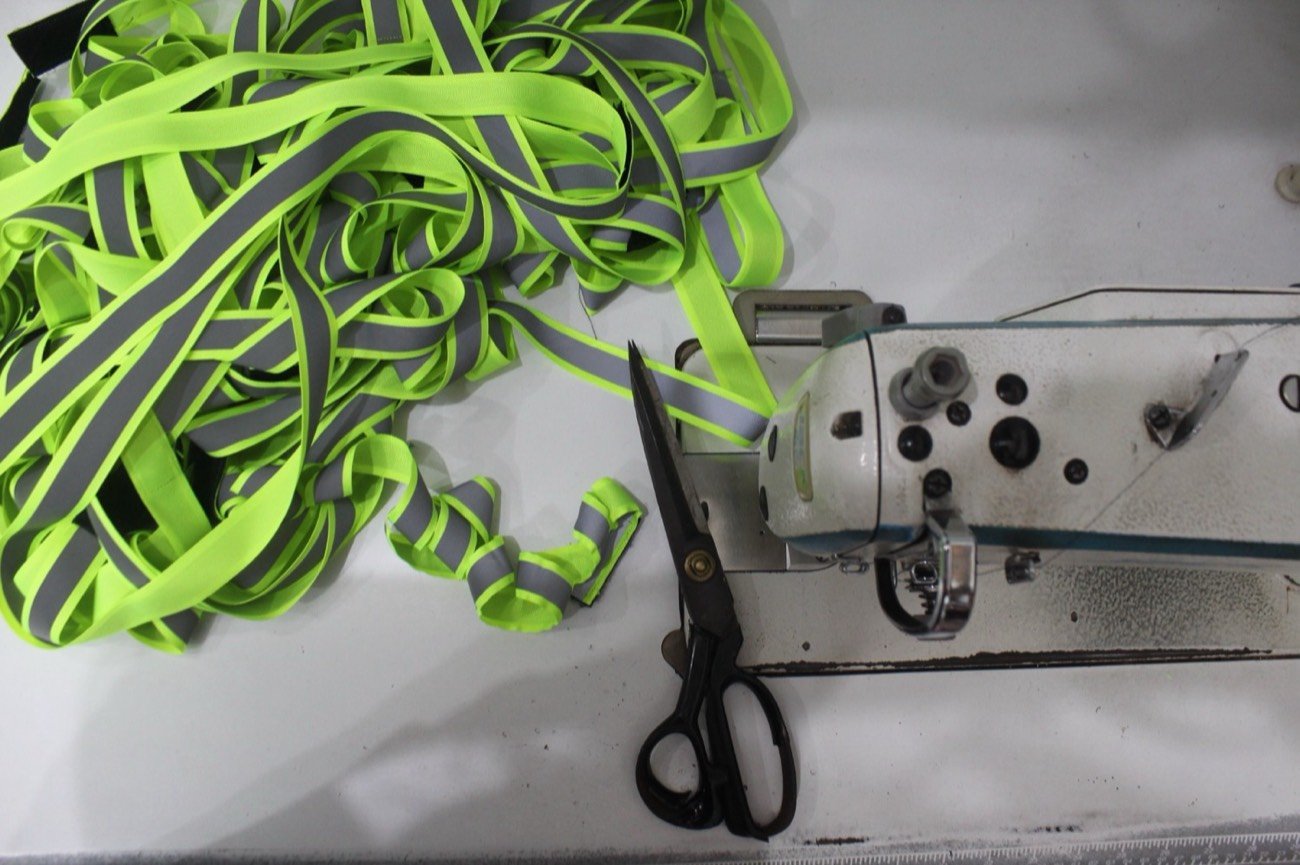
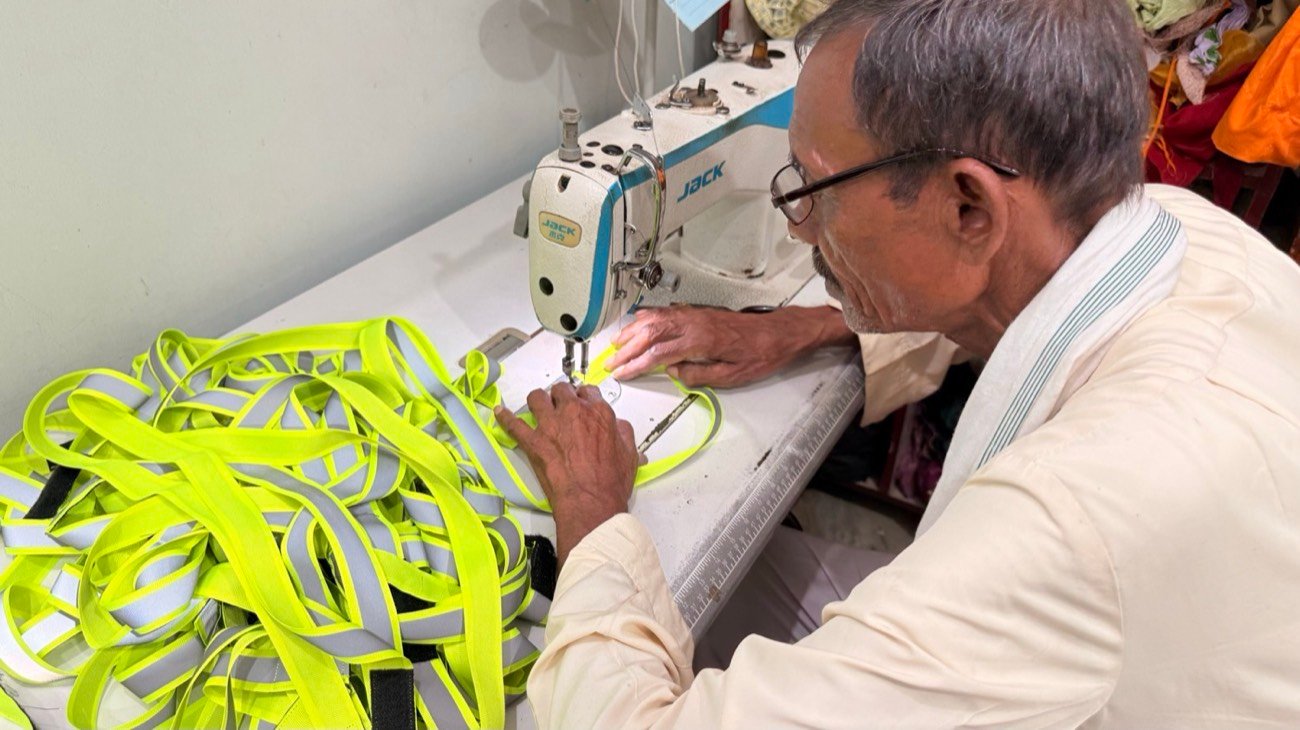
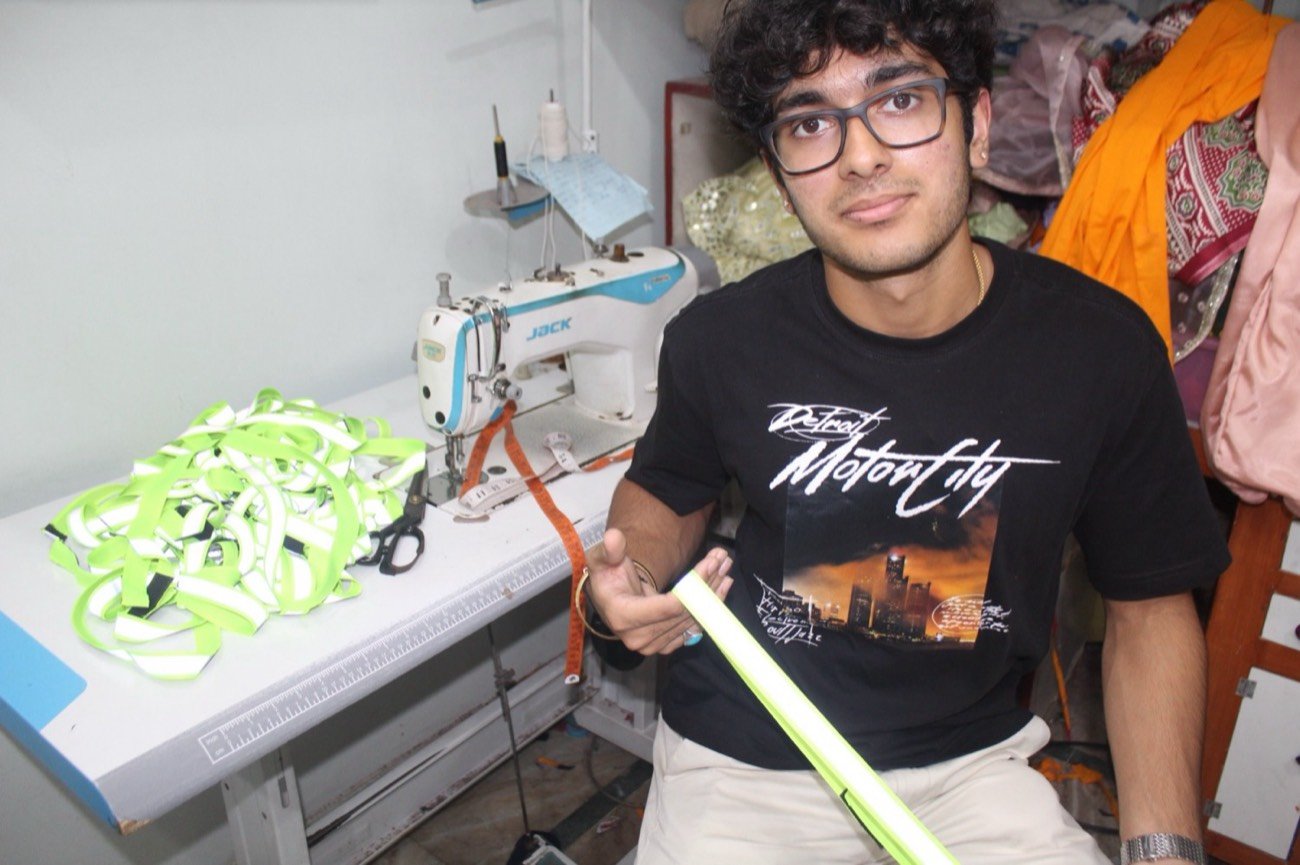
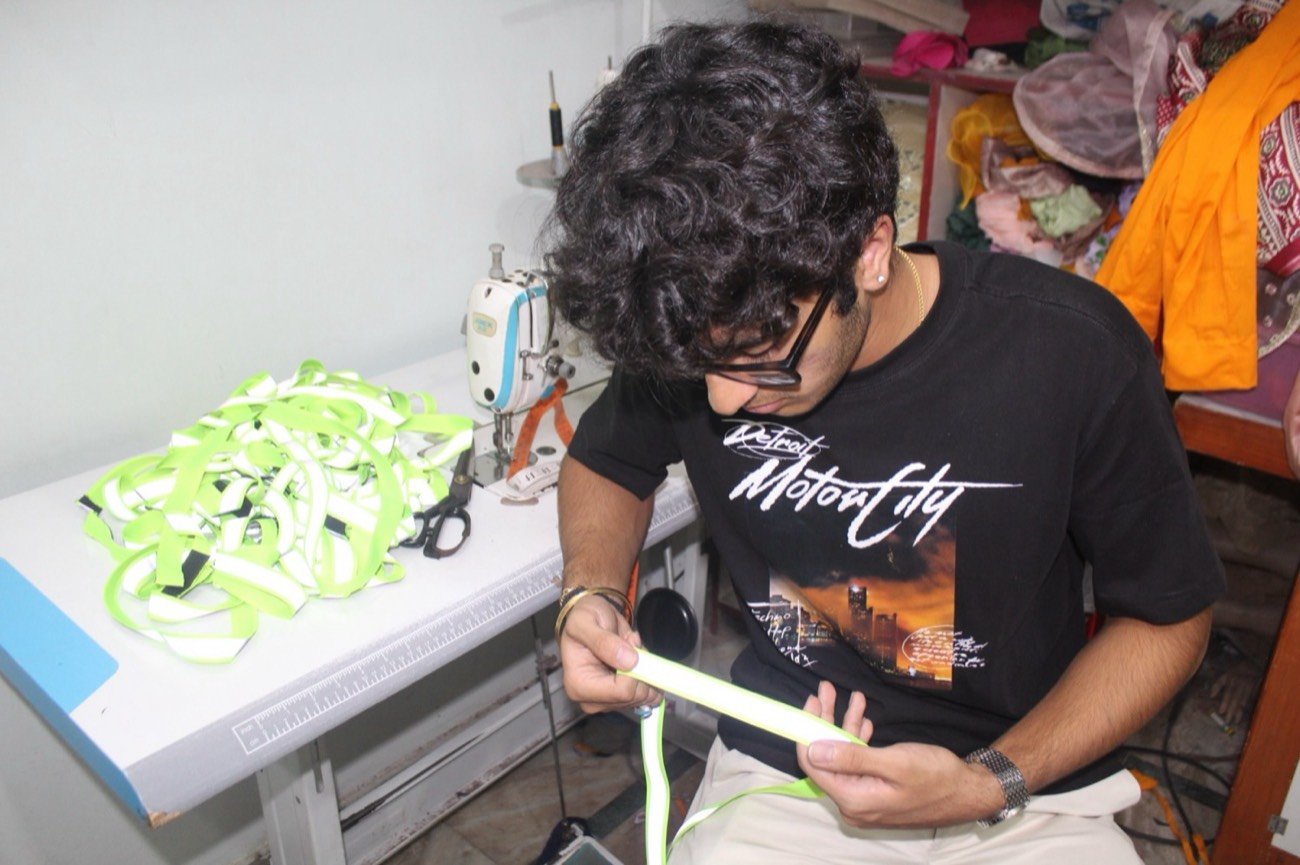
Eco Reflect is simple in principle. If visibility is the problem, then visibility is the solution.
Then execution
With veterinarians, local teams and volunteers, over 1,000 collars were deployed across Rajasthan's most accident-prone areas.
Where it went
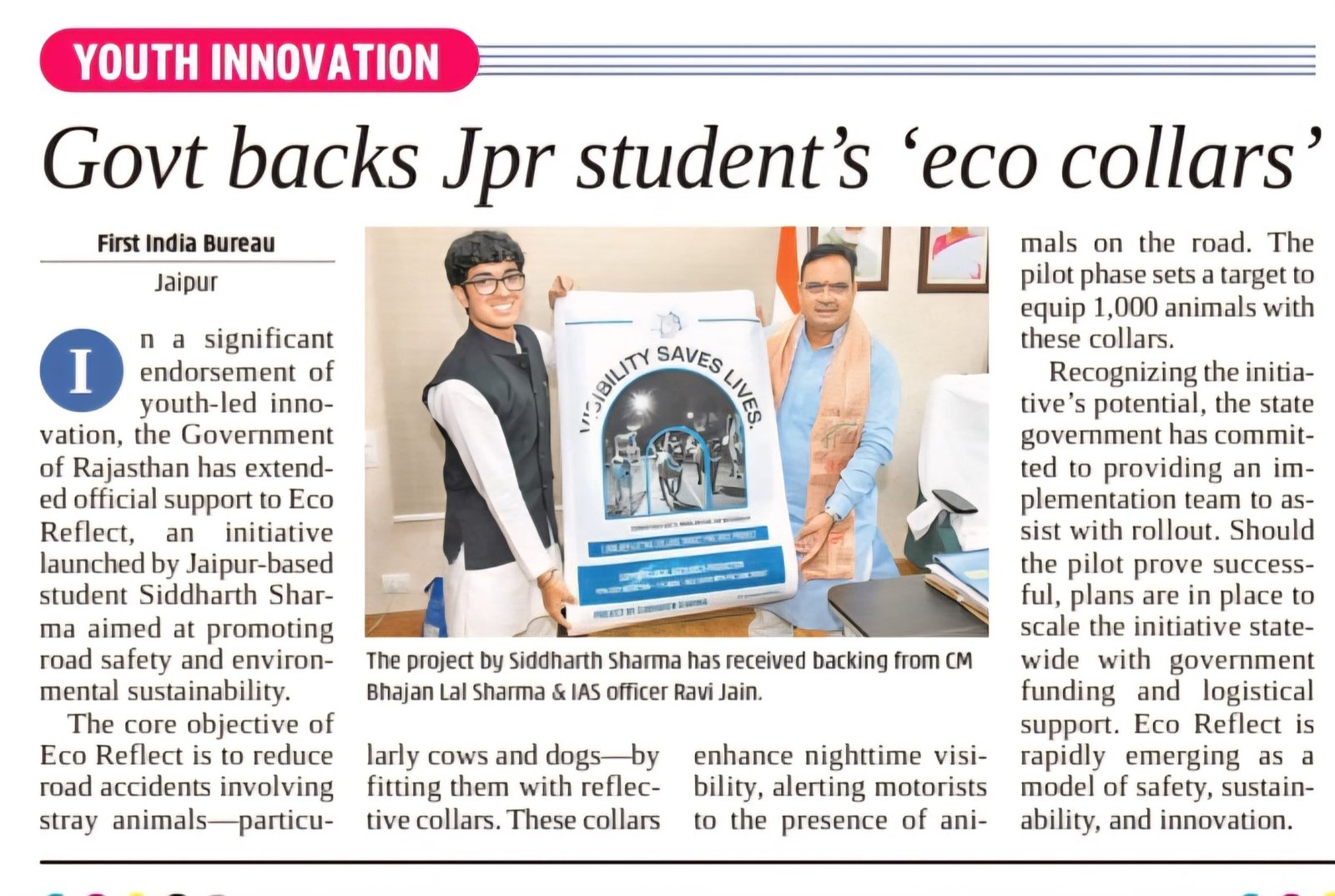
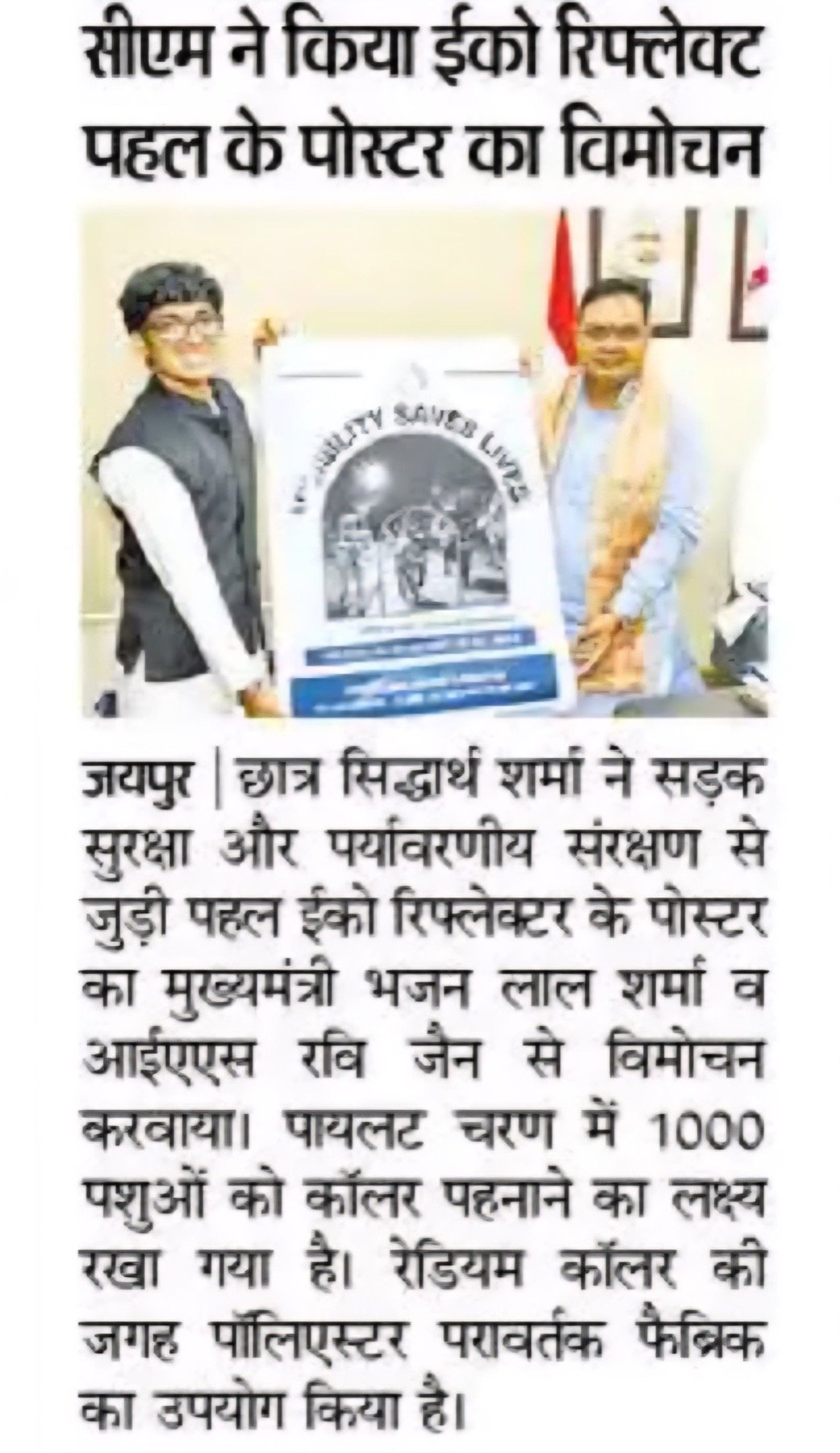
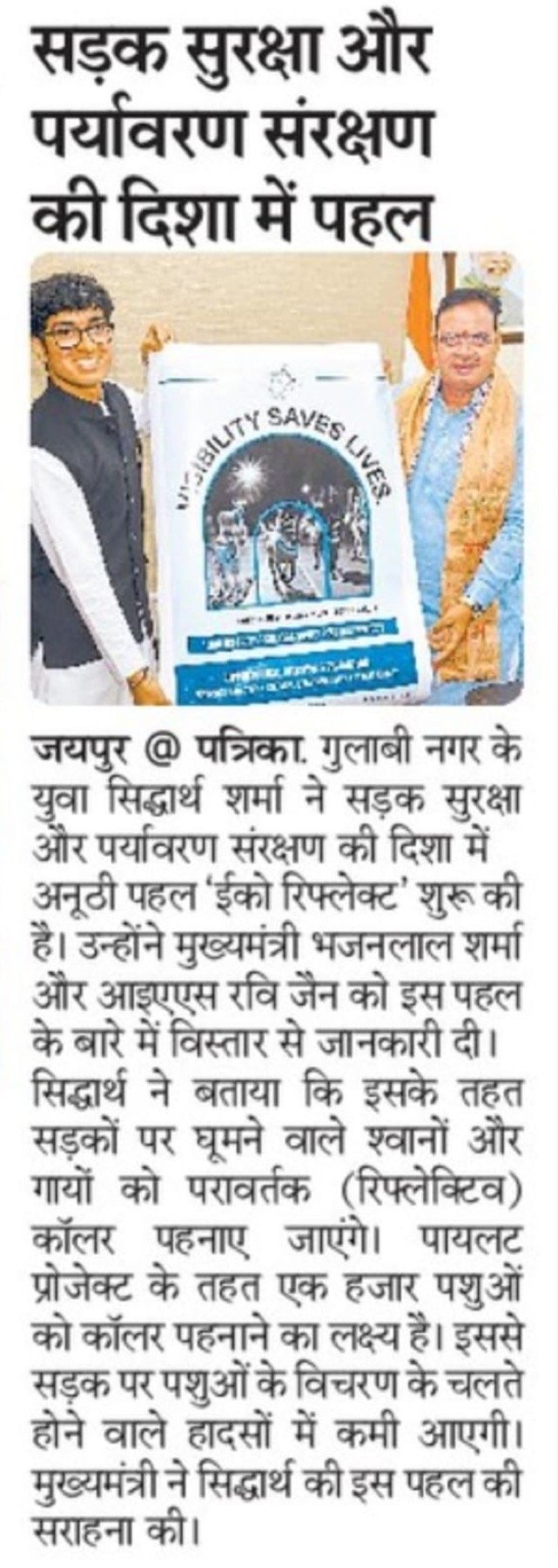
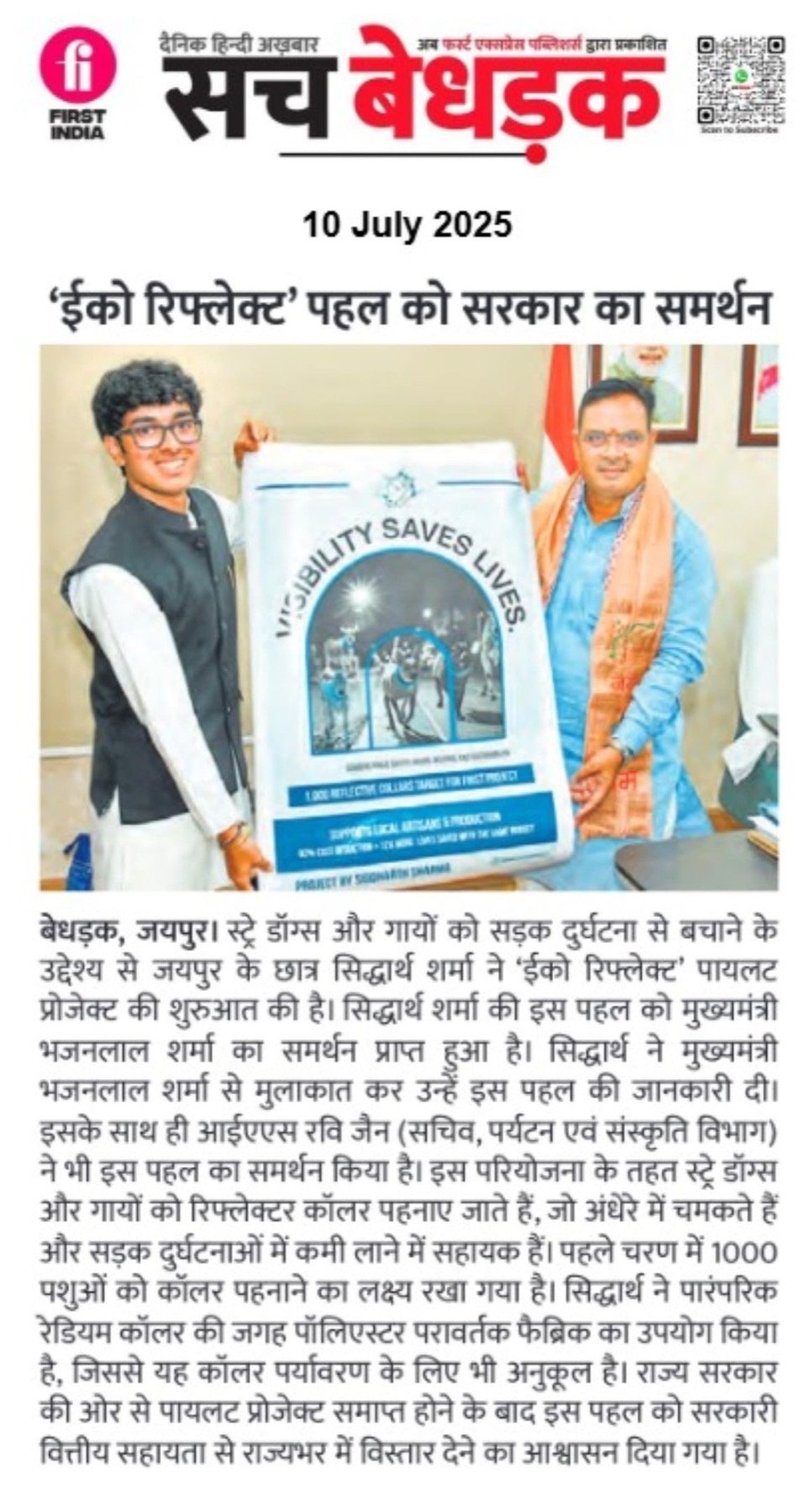
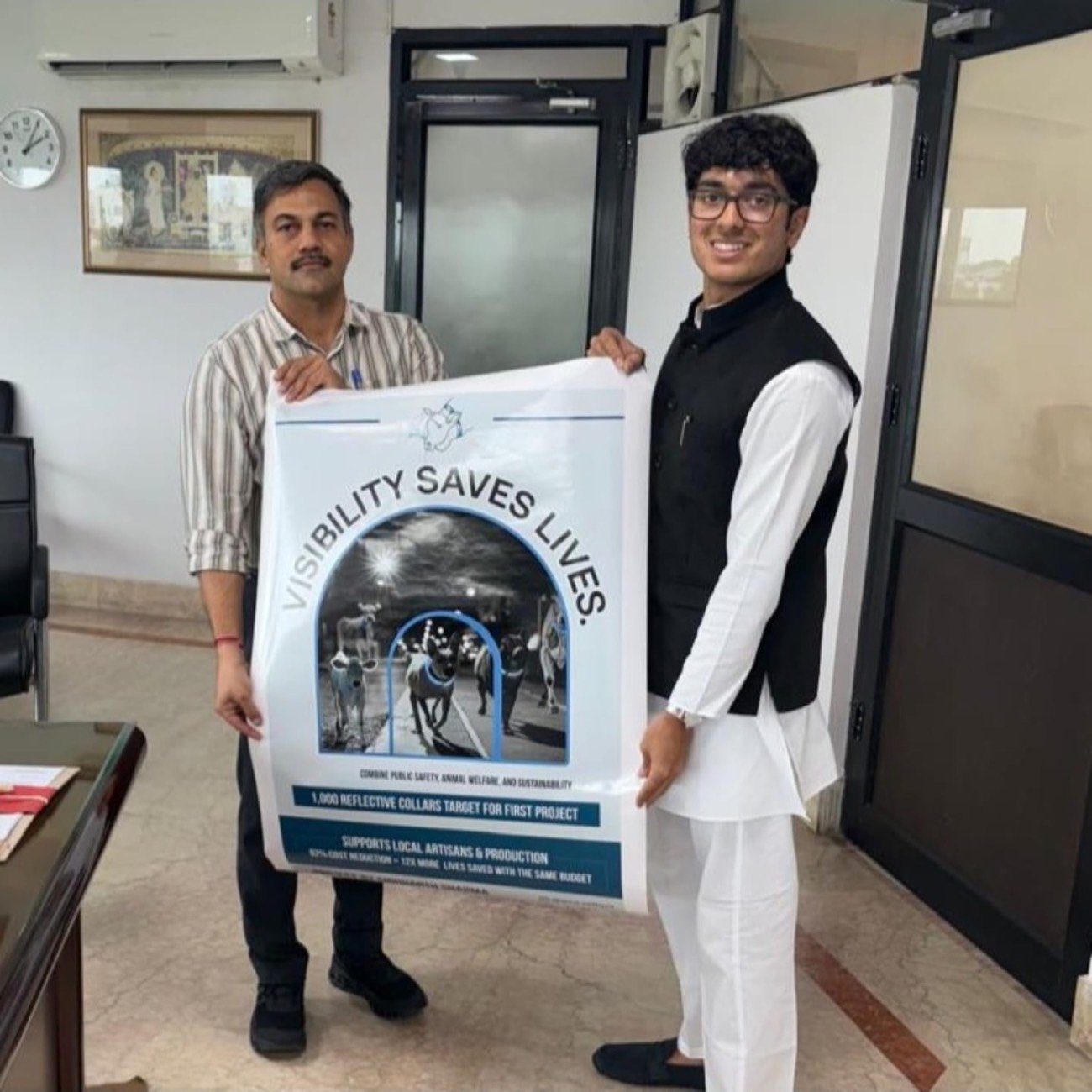
That's when the initiative moved beyond just me. It was recognised by Chief Minister Bhajan Lal Sharma Ji, who launched the project's official poster, and supported at the administrative level by Secretary to the Government, IAS Ravi Jain Ji. It also received formal backing from senior ministers — helping scale it from a student-led initiative into a government-supported model.
The initiative was awarded a Global Youth Action Fund Grant by the International Baccalaureate Organisation, and was cited by a Union Minister in forwarding my nomination for the Pradhan Mantri Rashtriya Bal Puraskar 2026.
And if that solution is affordable and scalable, it shouldn't stay local. The goal now is to expand across India and beyond — turning something I noticed on my way to school into a system that prevents these accidents altogether.
On the road
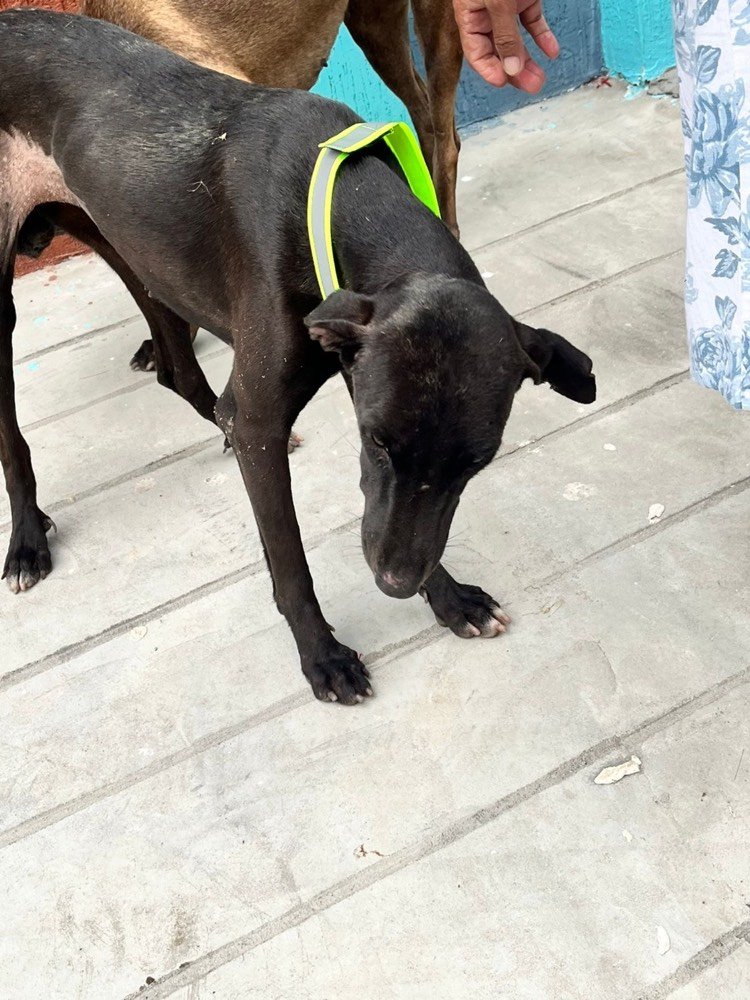
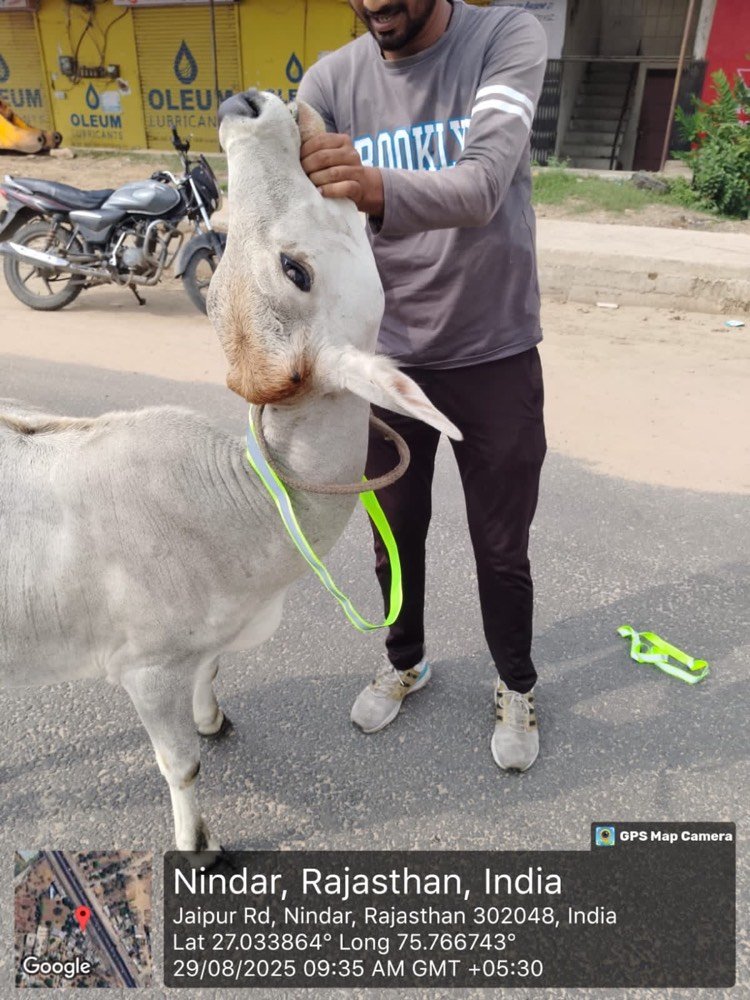
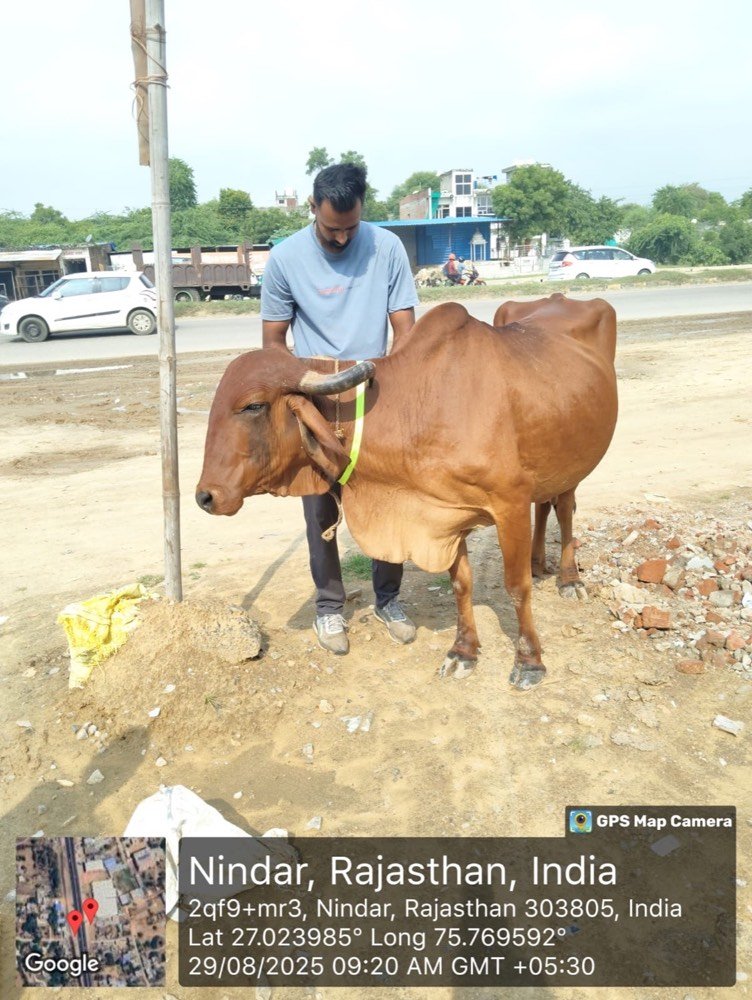
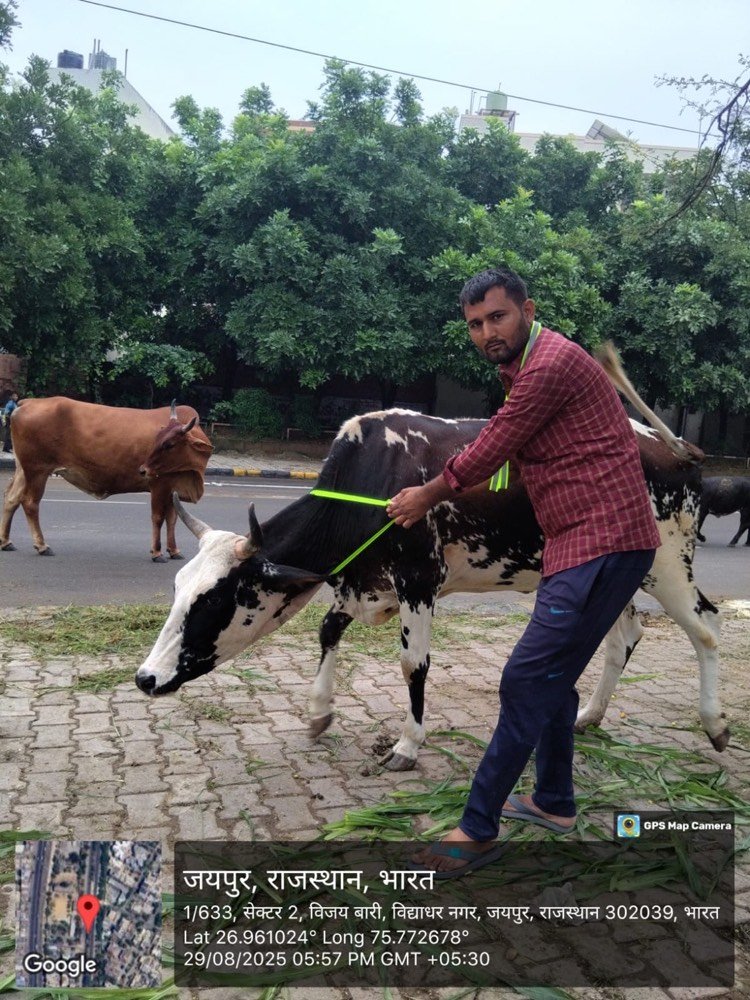
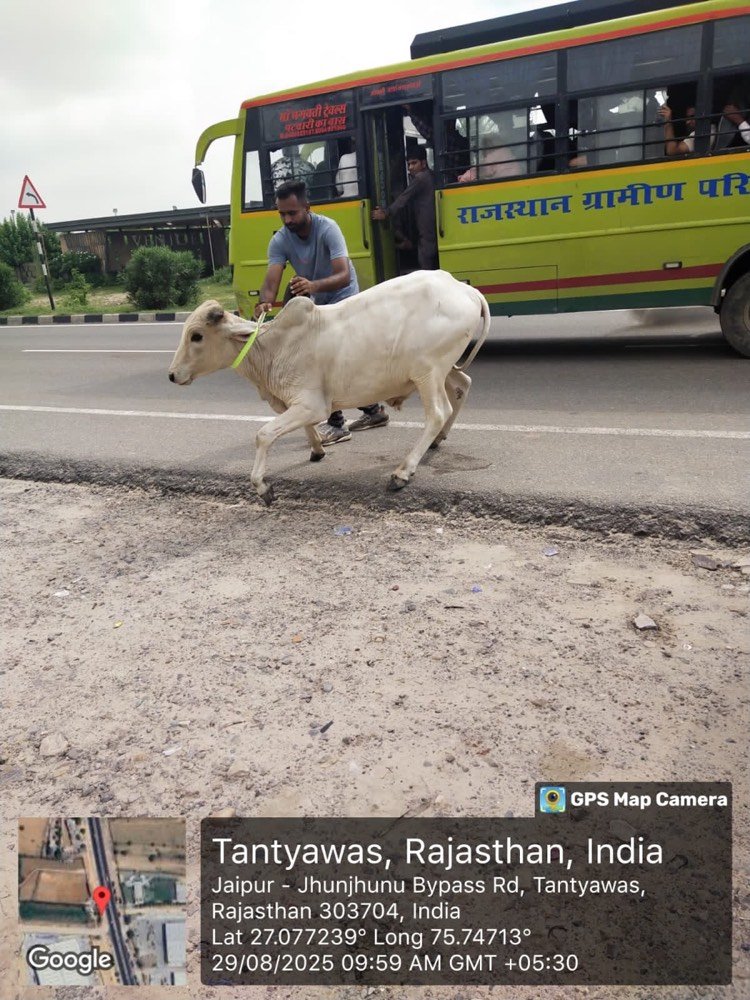
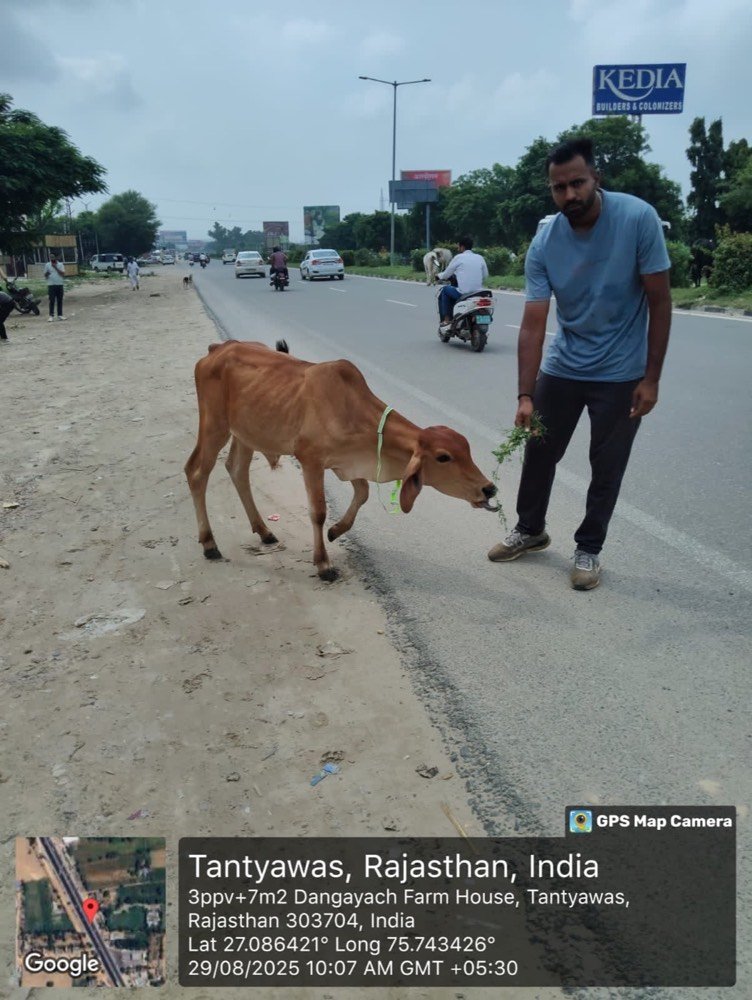
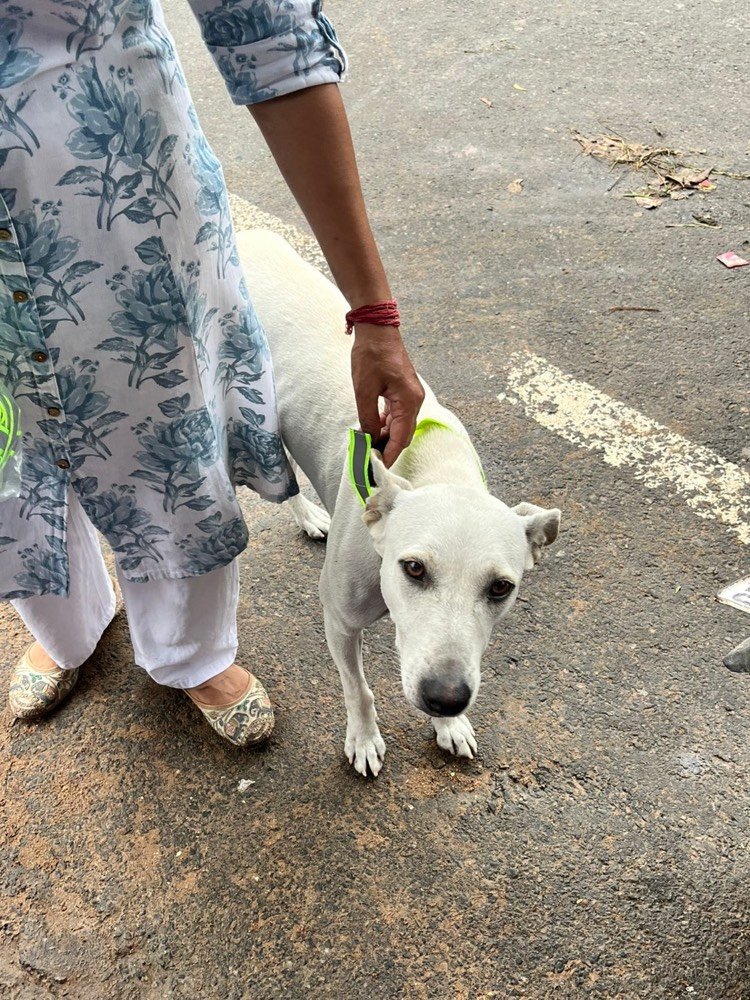
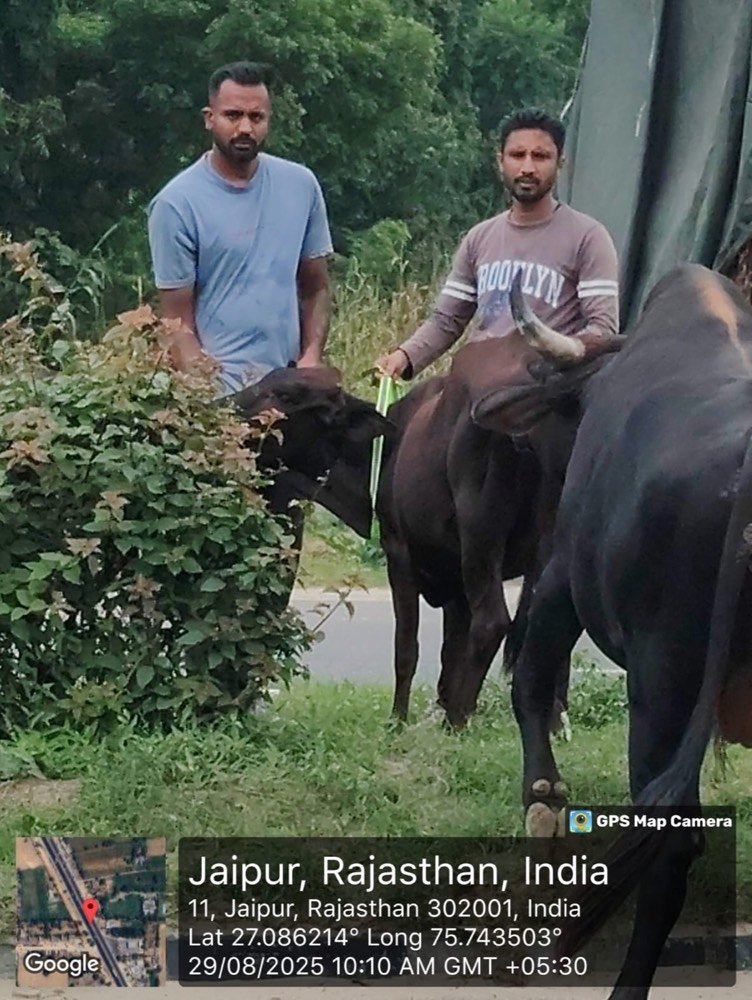
1,000 collars, fitted by hand
Jaipur · Nindar · Tantyawas · Chaksu
Every collar was fitted in person and logged with its location, so the rollout could be verified rather than estimated. A sample of that record:
Coverage
What the papers wrote
Four publications
Get in touch
Working on something similar?
I'm always glad to hear from people building civic technology, running education programmes, or arguing about industrial policy.